
-
February 10, 2026
- 0 Comment
Pressure Reducing Stations vs. Pressure Regulating Skids: What’s Best for Your Plant?
Pressure control is a critical requirement in industrial plants. Whether the medium is gas, steam, or process fluid, maintaining the correct pressure protects equipment, ensures stable operations, and supports safety compliance. Poor pressure regulation can lead to process instability, equipment damage, and safety risks, making the selection of the right pressure control system extremely important.
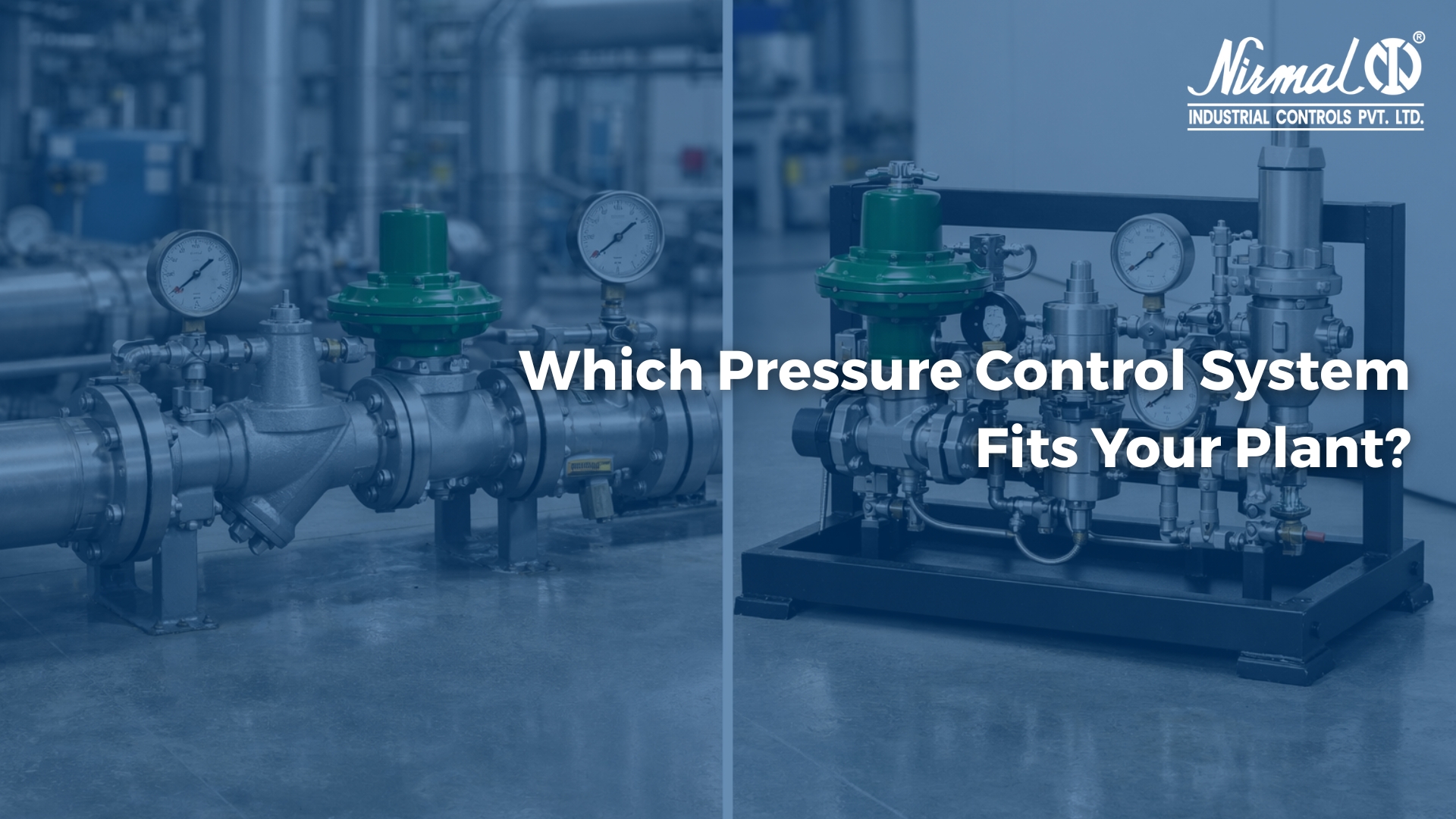
Two commonly used solutions are pressure reducing stations and pressure regulating skids. While both serve the same fundamental purpose, controlling downstream pressure, their design, installation, and ideal use cases differ significantly. This guide explains how each system works and helps you determine which option best fits your plant’s needs.
Understanding Pressure Reducing Stations
A pressure reducing station is a permanently installed system designed to reduce high inlet pressure to a controlled and stable downstream pressure. These stations are usually integrated into the plant’s fixed piping network and engineered specifically for long-term operation.
Pressure reducing stations are best suited for applications where pressure reduction is continuous and predictable. Because they are installed on-site, they can be fully customized to match the plant layout, operating conditions, and safety standards.
These systems are widely used in utilities, gas distribution networks, and large process plants where reliability and compliance are more important than portability.
Key Components of a Pressure Reducing Station
A typical pressure reducing station includes several essential elements that work together to ensure safe operation:
- Inlet isolation valve
- Filter or strainer
- Pressure reducing valve
- Pressure relief or safety shut-off valve
- Pressure gauges and transmitters
These components are installed in fixed piping. In critical services, redundancy is often added to improve reliability and safety.
Typical Applications of Pressure Reducing Stations
Pressure reducing stations are commonly used in:
- Natural gas distribution systems
- Steam pressure reduction in power plants
- Chemical and petrochemical facilities
- Utility supply lines within industrial plants
They perform best in systems with high flow rates and steady demand, where long-term stability is required.
Understanding Pressure Regulating Skids
A pressure regulating skid is a pre-engineered, skid-mounted pressure control package. All components are assembled, piped, and tested in a factory before being delivered to site as a single unit.
The major advantage of pressure regulating skids is speed and flexibility. Since they arrive ready to install, on-site work is minimal, and commissioning time is significantly reduced. These systems are ideal for plants that require fast execution or may need future modifications.
Key Components of a Pressure Regulating Skid
Although the function is similar to a station, the layout is compact and modular. Typical components include:
- Skid frame with lifting points
- Inlet and outlet isolation valves
- Pressure regulators or control valves
- Filters and safety relief devices
- Instrumentation and control panels
Factory assembly and testing help reduce installation errors and startup risks.
Typical Applications of Pressure Regulating Skids
Pressure regulating skids are widely used in:
- Oil and gas facilities
- LNG and CNG plants
- Skid-mounted or modular process plants
- Temporary or mobile installations
They are especially useful where space is limited or process requirements may change.
Key Differences Between the Two Systems
While both systems regulate pressure, their differences affect installation, flexibility, and long-term use.
Installation and Footprint
Pressure reducing stations are built on-site and usually require more space, civil work, and installation time.
Pressure regulating skids are compact, pre-assembled units that require minimal site work and can be installed quickly.
Flexibility and Scalability
Pressure reducing stations are less flexible once installed. Any modification typically requires piping changes.
Pressure regulating skids are modular and easier to relocate or upgrade, making them suitable for evolving processes.
Maintenance and Operation
Stations are often custom-built, which can make maintenance more complex.
Skids use standardized layouts, improving accessibility and simplifying maintenance activities.
How to Choose the Right Solution for Your Plant
Selecting the right pressure control system depends on your plant’s technical and operational requirements. Key factors to consider include:
- Inlet and outlet pressure range
- Flow rate and variability
- Available space
- Project timeline
- Future expansion plans
High, steady flows and long-term operations usually favor pressure reducing stations. Variable demand, tight schedules, and modular plants benefit more from pressure regulating skids.
Both pressure reducing stations and pressure regulating skids are proven solutions for industrial pressure control. Pressure reducing stations are ideal for stable, high-flow, permanent installations, while pressure regulating skids offer speed, flexibility, and compact design for modern and modular plants.